
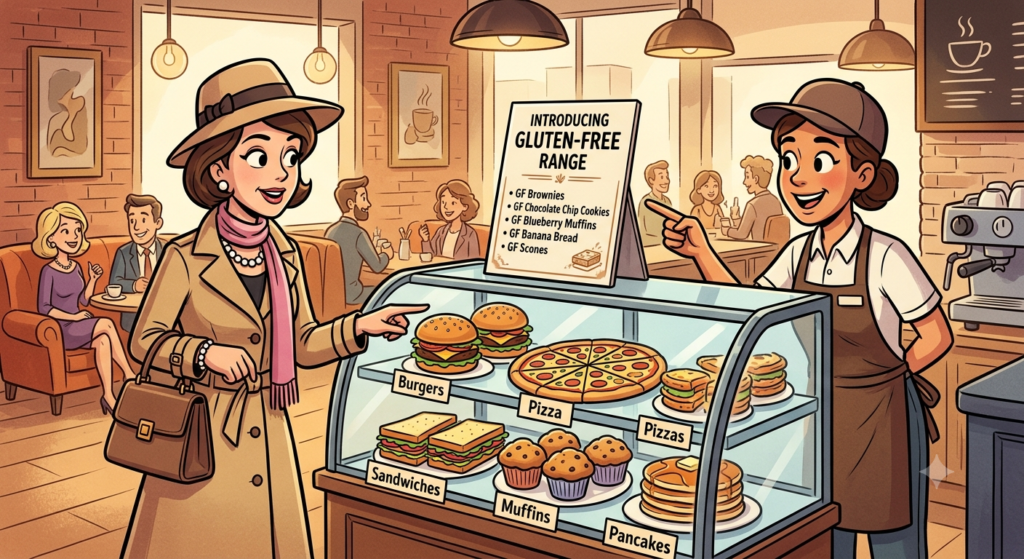
Introducing gluten-free products into a restaurant or café does not have to be a leap of faith. For many HoReCa operators, the smartest way forward is a structured 90‑Day Gluten‑Free Pilot. It allows you to test demand, evaluate operations, and measure commercial results before making a larger commitment.
This is especially useful for outlets that already serve burgers, pizzas, paav-based dishes, sandwiches, or breakfast items. A pilot lets you explore the market without turning your kitchen upside down or making expensive assumptions.
Why a Pilot Makes Business Sense
A 90‑Day Gluten‑Free Pilot is not a marketing stunt. It is a controlled business experiment. Instead of adding gluten-free breads across all outlets on day one, you start small and learn fast. That matters because HoReCa decisions are often shaped by three fears:
- Will customers buy it?
- Will it slow down operations?
- Will it create wastage?
A pilot answers all three with real data. More importantly, it gives you a practical way to serve health-conscious and gluten-sensitive guests while protecting margins.
Step 1: Choose the Right Outlets
Start with 2 to 3 outlets that already have good footfall and a mixed customer base. Ideally, these should be locations where premium, health-conscious, or family-oriented guests already visit. A 90‑Day Gluten‑Free Pilot works best where the product has a real chance to be noticed. Don’t begin with the quietest outlet in the city. Begin where demand is most likely to surface.
Step 2: Select Simple Products
Do not overload the pilot. Start with 1 or 2 products that fit your existing menu:
- Gluten-free burger buns
- Gluten-free pizza bases
- Gluten-free sandwich bread
- Gluten-free paav, if street-style items are part of your menu
The idea is to keep the 90‑Day Gluten‑Free Pilot simple enough for staff to manage and easy enough for customers to understand.
Step 3: Define Clear Metrics
A pilot without metrics is just a guess with extra paperwork. Before launch, decide what success means. For example:
- Sales volume per outlet
- Customer feedback
- Repeat orders
- Wastage percentage
- Premium pricing acceptance
- Staff handling ease
These numbers will tell you whether the 90‑Day Gluten‑Free Pilot is worth expanding or refining.
Step 4: Train the Team
Even a great product can fail if staff are unsure how to handle it. A short SOP is usually enough:
- Where to store the product
- How to heat or assemble it
- How to avoid confusion with regular bread
- What to say when guests ask questions
The point is not perfection. The point is consistency. A well-run 90‑Day Gluten‑Free Pilot depends on simple discipline, not complicated systems.
Step 5: Communicate the Offer Clearly
Guests cannot buy what they do not notice. Use menu labels, table talkers, small standees, or staff prompts to make the gluten-free option visible. You do not need to over-explain it. Just make it easy to find and easy to order.
A successful 90‑Day Gluten‑Free Pilot often benefits from quiet confidence rather than loud promotion. Guests appreciate clarity, not drama.
Step 6: Review Sales and Feedback Weekly
Each week, review what is happening:
- Which outlet moved the product fastest?
- Which item sold better?
- Did guests ask for it again?
- Was pricing accepted?
- Did the kitchen face any issues?
This is where the pilot becomes valuable. A 90‑Day Gluten‑Free Pilot gives you evidence, not opinions.
Step 7: Decide the Next Move
At the end of 90 days, you should know whether to:
- Expand to more outlets
- Modify the product mix
- Improve training and handling
- Adjust pricing
- Pause and rework the concept
That is the power of a 90‑Day Gluten‑Free Pilot: it reduces the cost of being wrong.
Why This Helps Revenue and Brand Value
Gluten-free customers are often loyal once they find a place that works for them. That means a well-executed pilot can lead to:
- New premium customers
- Higher average bill value
- Better reviews
- Stronger word-of-mouth
- A health-aware brand image
For HoReCa owners, a 90‑Day Gluten‑Free Pilot is not just about bread. It is about opening the door to a customer group that values trust, care, and convenience.
Role of a Sourcing Partner
A sourcing partner can make the process easier by helping you connect with manufacturers, compare product options, and plan the pilot correctly. That saves time for procurement teams and gives operators a more practical path to execution. If your 90‑Day Gluten‑Free Pilot is built on reliable supply and clear expectations, it is far more likely to produce useful results.
If you are a QSR, café, hotel, restaurant, or cloud kitchen looking to run a 90‑Day Gluten‑Free Pilot for your outlets, we can help connect you with suitable manufacturers and product options. Click here to connect with us !!
For B2B sourcing enquiries, pilot planning, or product requirements, please get in touch. Let us test safely, learn quickly, and grow with confidence.