
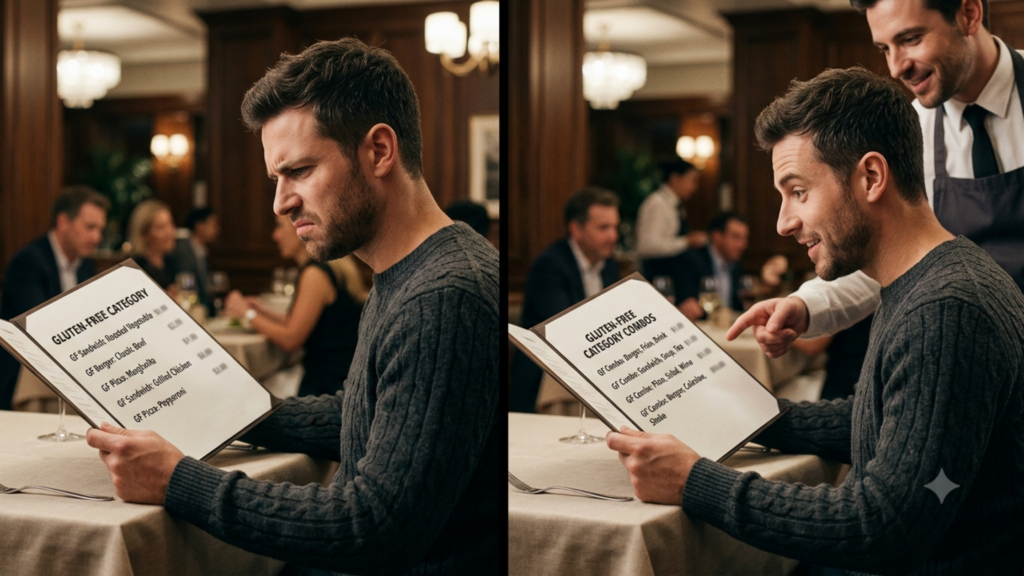
Gluten-Free Bakery Pricing is where many HoReCa operators become cautious. A gluten-free burger bun, pizza base, wrap or paav usually costs more than its regular wheat-based counterpart. The easy reaction is either to absorb the entire cost or add a surcharge so large that guests feel punished for their dietary needs.
Neither approach is good business.
The better approach is to price gluten-free menu items with clarity, care and commercial logic. When done properly, gluten-free products can bring premium customers, improve average order value and build a reputation for thoughtful dining—without upsetting guests or unsettling the finance team.
Why Gluten-Free Products Cost More
Gluten-free bakery products may involve specialised flours, dedicated production controls, smaller production runs and more careful handling. In a foodservice kitchen, the cost is not limited to the bun or base itself. It can also include separate storage, labelled packs, a dedicated heating tray or tong, staff training, and a small allowance for controlled inventory.
That does not mean a restaurant should simply add a random premium. Gluten-Free Bakery Pricing should reflect the full cost of serving the product safely and consistently:
For example, if a gluten-free bun costs more than a regular bun, calculate the actual difference, add realistic handling and wastage costs, then set a selling price that protects your intended margin. Foodservice guidance commonly places gluten-free dishes at approximately 32–40% food cost, compared with about 28–35% for regular dishes, because specialty ingredients and controlled handling add cost. Read more……
Do Not Sell a “Costly Bun”
Guests do not enjoy seeing a menu line that says: “Gluten-Free Bun + ₹___.” It can feel like a penalty for having a dietary restriction. Instead, create a complete, attractive menu item:
- Gluten-Free Signature Burger
- Gluten-Free Garden Pizza
- Gluten-Free Paav Bhaji Plate
- Gluten-Free Grilled Sandwich Meal
This changes the conversation. You are no longer selling an expensive replacement bun; you are offering a deliberately designed meal.
The pricing should cover the product’s true cost, but the menu description should lead with taste, ingredients and confidence—not with cost. Clearly mention the gluten-free component and any handling practices you can genuinely support. Never claim that an item is safe for celiac guests unless your sourcing and kitchen controls support that claim.
Three Practical Pricing Models
1. Fixed Upgrade Pricing
Offer your regular burger or pizza with a clearly stated fixed charge for a gluten-free substitute. This works well when the only change is the bun, paav, wrap or pizza base. It is easy for staff to explain and easy for guests to understand. The upgrade should be based on your cost difference, not on guesswork.
2. A Distinct Premium Menu Item
Create a separately named gluten-free burger, pizza or paav-based dish with its own price. This is usually the strongest option for cafés, QSRs and casual-dining outlets because it makes the item feel purposeful rather than modified.
A specialised gluten-free product can reasonably be priced above its standard equivalent when it offers genuine value through ingredients, preparation and reliable availability. Industry pricing guidance often suggests a 15–30% premium for gluten-free dishes, though the right figure depends on actual costs, local competition and the quality of the experience.kitchennmbrs+2
3. Bundle for Better Value
Pair a gluten-free burger with a side and beverage, or offer a gluten-free pizza meal combo. Bundles help shift attention away from the price of one component and toward the value of the whole meal.
They can also improve average bill value. The important point is to bundle items that fit the guest’s needs; a gluten-free bun does not automatically make every side, sauce or beverage suitable for every dietary requirement.
Protect Margins Before You Launch
A profitable gluten-free menu begins with disciplined costing. For every SKU, record:
- Purchase cost per bun, base, paav or wrap
- Portion size and yield
- Packaging and delivery cost
- Storage and heating cost
- Expected wastage
- Extra handling time
- Target food-cost percentage
- GST and delivery-platform commissions, where applicable
Do not price solely against a regular burger or pizza. Compare your price with similar gluten-free offerings in your city and with the complete value you provide. A small three-outlet or 90-day pilot can reveal whether a fixed upgrade, a separate premium item or a combo works best. Track units sold, contribution per dish, wastage, repeat orders and guest feedback—not just total sales.
The Premium Guest Is Buying Confidence
Gluten-sensitive and health-conscious diners can be valuable repeat customers, especially when they find a restaurant that gives them familiar foods without awkward conversations. For them, a gluten-free burger bun can mean participation in a group meal rather than ordering only a side dish. That loyalty can influence group dining, online recommendations and repeat visits. But it must be earned. The product should taste good, staff should know how to answer basic questions, and the menu should be honest.
A crucial distinction: gluten-free does not automatically mean lower-calorie, diabetic-friendly or healthier for every person. Avoid blanket health claims. If you offer items designed around other nutritional needs, verify the formulation and communicate it accurately.
Make the Price Easier to Accept
Price resistance often comes from poor explanation, not from the number alone. Keep the message simple:
- “Available with a gluten-free bun.”
- “Prepared using separately stored gluten-free bread.”
- “Ask our team about ingredients and handling.”
- “Limited daily availability to maintain freshness.”
This language is calm, factual and useful. It tells guests why the option is different without turning their meal into a lecture. If your product has credible certifications or is produced in a dedicated gluten-free facility, mention that only after confirming the manufacturer’s documentation. Trust is worth more than a catchy claim.
Start Small, Learn Quickly
Start with two versatile products: perhaps gluten-free burger buns and pizza bases. Use limited packs, train staff on three simple handling steps—separate storage, dedicated tools and clear order marking—and review performance weekly. This avoids dead stock and gives you a practical route to scale. A small, well-run gluten-free category can be more profitable than a broad menu of poorly managed specialty items.
Are you a QSR, café, restaurant, hotel or cloud kitchen looking to introduce gluten-free burger buns, pizza bases, paav, wraps or sandwich breads without sacrificing margins?
Connect for a B2B discussion on product sourcing, pilot quantities, pack formats and practical pricing support. I help HoReCa buyers connect with suitable gluten-free bakery manufacturers and build a menu offer that is commercially sound, clearly positioned and easier for guests to choose.